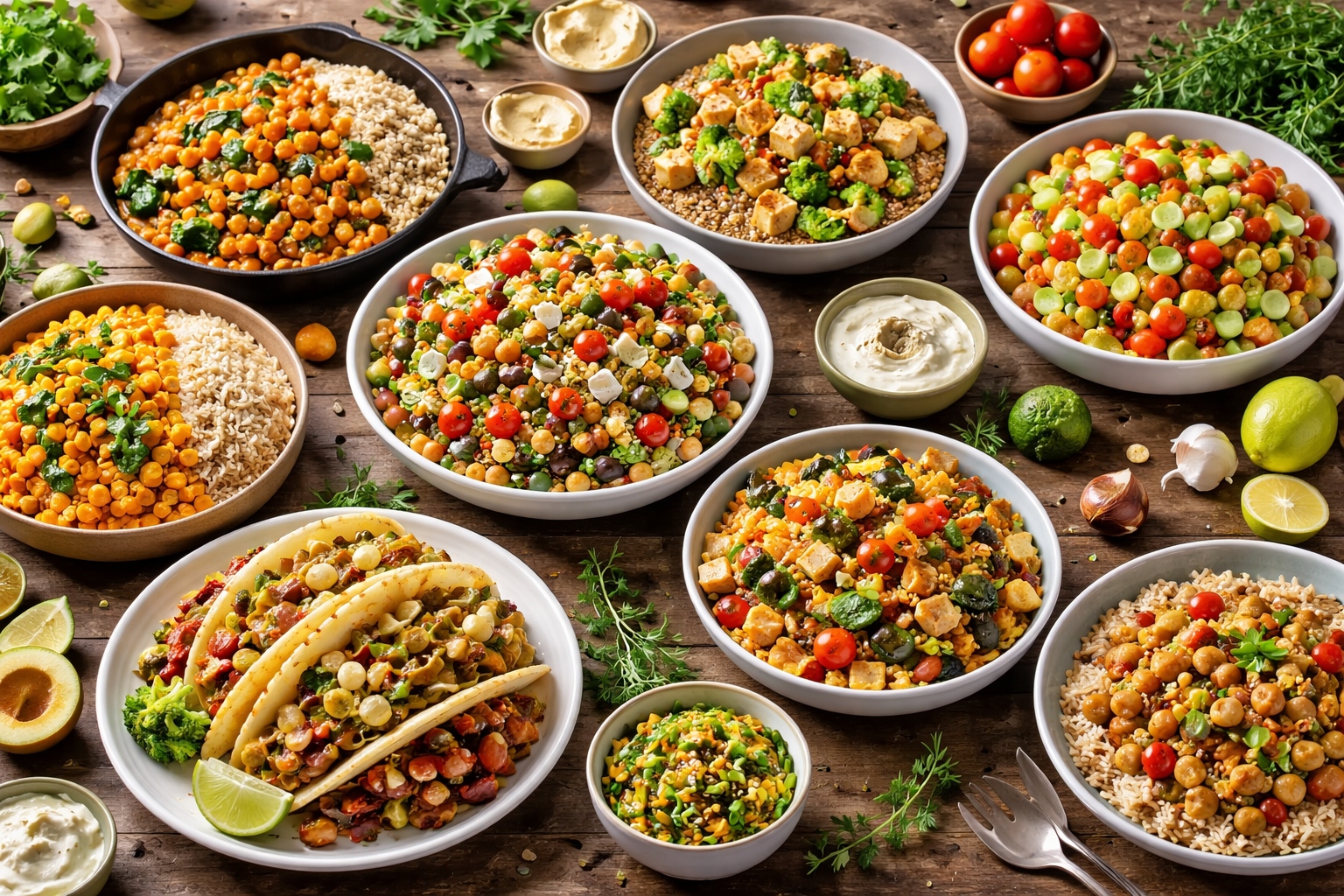

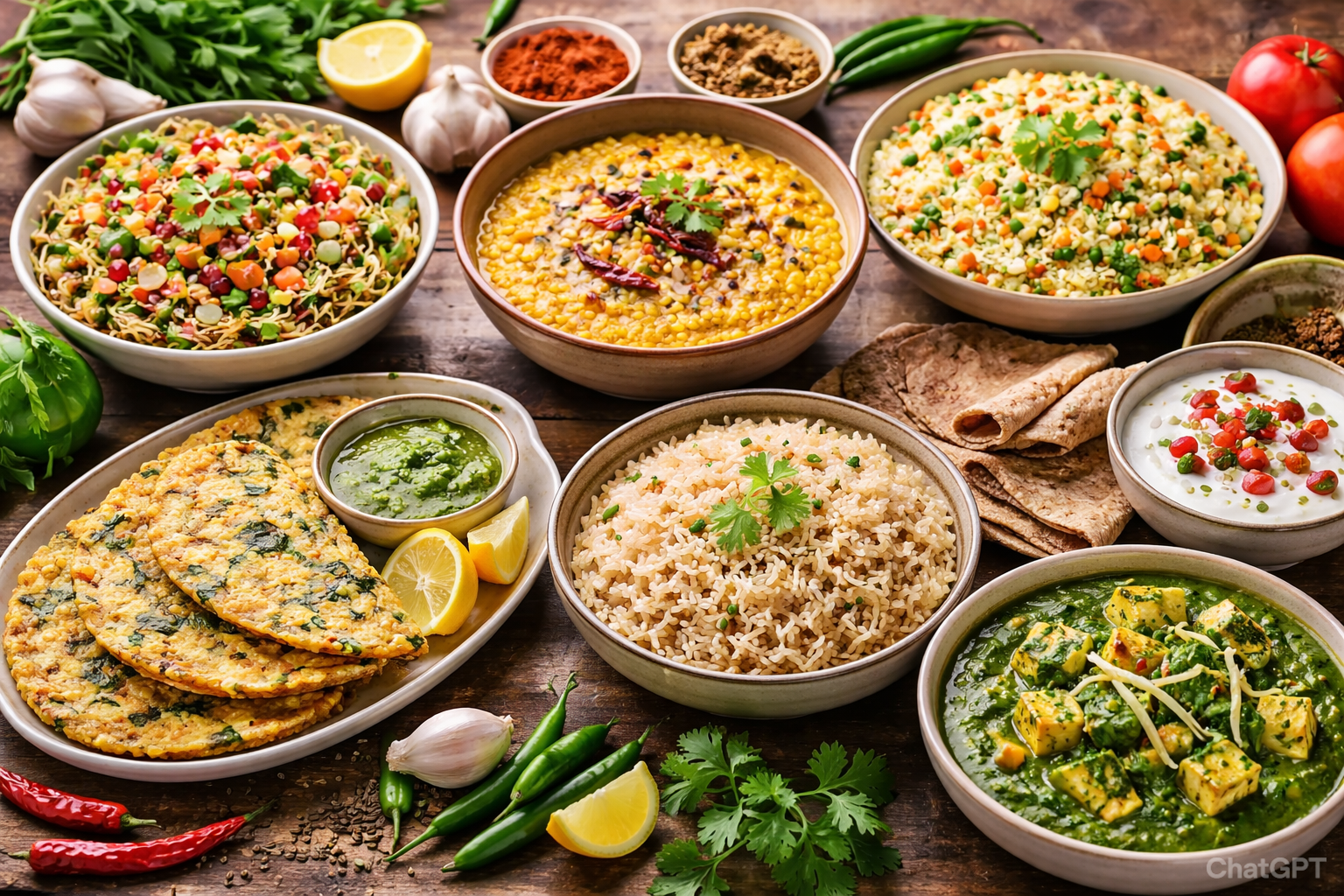
Healthy eating is becoming a priority for modern lifestyles, but many people believe healthy food means sacrificing taste. Thankfully, traditional meals from India prove that nutritious food can be rich, satisfying, and full of flavour. Indian cuisine naturally combines balanced nutrition, powerful spices, and diverse cooking techniques that support overall wellness.
If you are searching for healthy Indian meals, nutritious Indian recipes, or healthy Indian food for daily diet, this guide will help you understand how to enjoy tasty meals without compromising health.
Why Healthy Indian Food Is Perfect for Modern Diets
Indian meals are naturally designed to balance carbohydrates, proteins, healthy fats, and fiber. Traditional home-cooked meals focus on fresh ingredients, seasonal vegetables, and whole grains instead of processed foods.
Key Benefits of Healthy Indian Meals
- High fiber for better digestion
- Plant-based proteins from dals and legumes
- Natural antioxidants from spices
- Probiotic benefits from curd and fermented foods
- Balanced energy release from whole grains
Unlike processed diets, Indian home food supports long-term health, weight management, and immunity.
Best Healthy Indian Meals That Are Also Delicious
- Dal + Brown Rice or Millet Khichdi
Dal is one of the best protein-rich vegetarian foods. Lentils are rich in iron, protein, and fiber. When cooked with turmeric, cumin, and garlic, dal becomes flavourful and comforting.
Health Tip: Replace white rice with brown rice or millets like foxtail or jowar.
- Vegetable Upma – Light and Nutritious Breakfast
Upma made with semolina or millet Rava is light yet filling. Adding vegetables increases vitamin and fiber content.
Health Tip: Add nuts or seeds for healthy fats.
- Besan Chilla – High Protein Indian Snack
Besan chilla is one of the best healthy Indian snacks. Gram flour provides plant protein and keeps you full longer.
Health Tip: Add spinach, paneer, or grated vegetables for extra nutrition.
- Palak Paneer (Healthy Homemade Version)
Spinach and paneer together create a nutrient-rich meal full of iron and calcium.
Health Tip: Skip heavy cream and use homemade low-fat paneer.
- Roti + Seasonal Sabzi – The Perfect Balanced Meal
Whole wheat roti with vegetable curry provides balanced nutrition. Seasonal vegetables ensure maximum nutrient value.
Health Tip: Mix millet flour with wheat flour for added fiber.
- Sprouts Salad or Sprouts Chaat
Sprouts are nutrient-dense and rich in enzymes and protein. When mixed with lemon, onion, and spices, they become flavourful and refreshing.
Role of Indian Spices in Healthy Cooking
Indian spices are not only flavour enhancers but also support health.
- Turmeric
Supports immunity and reduces inflammation.
- Cumin
Improves digestion and gut health.
- Ginger
Boosts metabolism and helps with digestion.
- Garlic
Supports heart health and immunity.
Using spices smartly reduces the need for excess salt and oil.
Healthy Indian Cooking Methods That Preserve Taste
Steaming
Used for foods like idli and dhokla. Keeps nutrients intact and reduces oil use.
Light Tempering (Tadka)
Even a small amount of oil with spices creates strong aroma and flavour.
Roasting Instead of Frying
Roasted makhana, peanuts, and chana are healthier snack options.
Tips to Make Everyday Indian Meals Healthier
If you want to follow a healthy Indian diet without changing your entire lifestyle, follow these simple tips:
- Use cold pressed oils in small quantities
- Add one protein source (dal, paneer, sprouts) daily
- Eat at least one seasonal vegetable daily
- Include curd or fermented foods for gut health
- Reduce packaged masalas and processed foods
- Prefer homemade meals over restaurant food
Healthy Indian Food for Weight Management
Healthy Indian meals can support weight loss when cooked properly.
Choose:
- Grilled or roasted foods instead of fried
- Whole grains instead of refined flour
- Homemade snacks instead of packaged snacks
- More vegetables and salads with meals
Avoid:
- Excess sugar in tea and sweets
- Deep fried snacks daily
- Heavy cream-based gravies regularly
Why Traditional Indian Diet Is Future-Proof
Modern nutrition science is now validating traditional Indian eating patterns. Eating fresh, seasonal, home-cooked meals support gut health, metabolism, and immunity naturally.
Indian thali concept already includes:
- Grain
- Protein
- Vegetables
- Fermented food
- Healthy fats
This balance makes Indian food one of the most sustainable healthy diets in the world.
Conclusion
Healthy Indian meals never require sacrificing taste. By choosing whole ingredients, using traditional cooking methods, and balancing spices properly, you can enjoy delicious meals while maintaining health.
Indian cuisine offers endless possibilities for creating healthy, tasty, and satisfying meals for daily life. The goal is not to remove flavour but to cook smarter and eat balanced meals.