
India’s push toward electric vehicles promise’s cleaner air and lower fuel costs, but many drivers worry about finding a place to plug in. With EV sales rising fast, questions swirl around whether charging stations can keep up. This article breaks down the real story behind EV charging in India today.
Current Setup
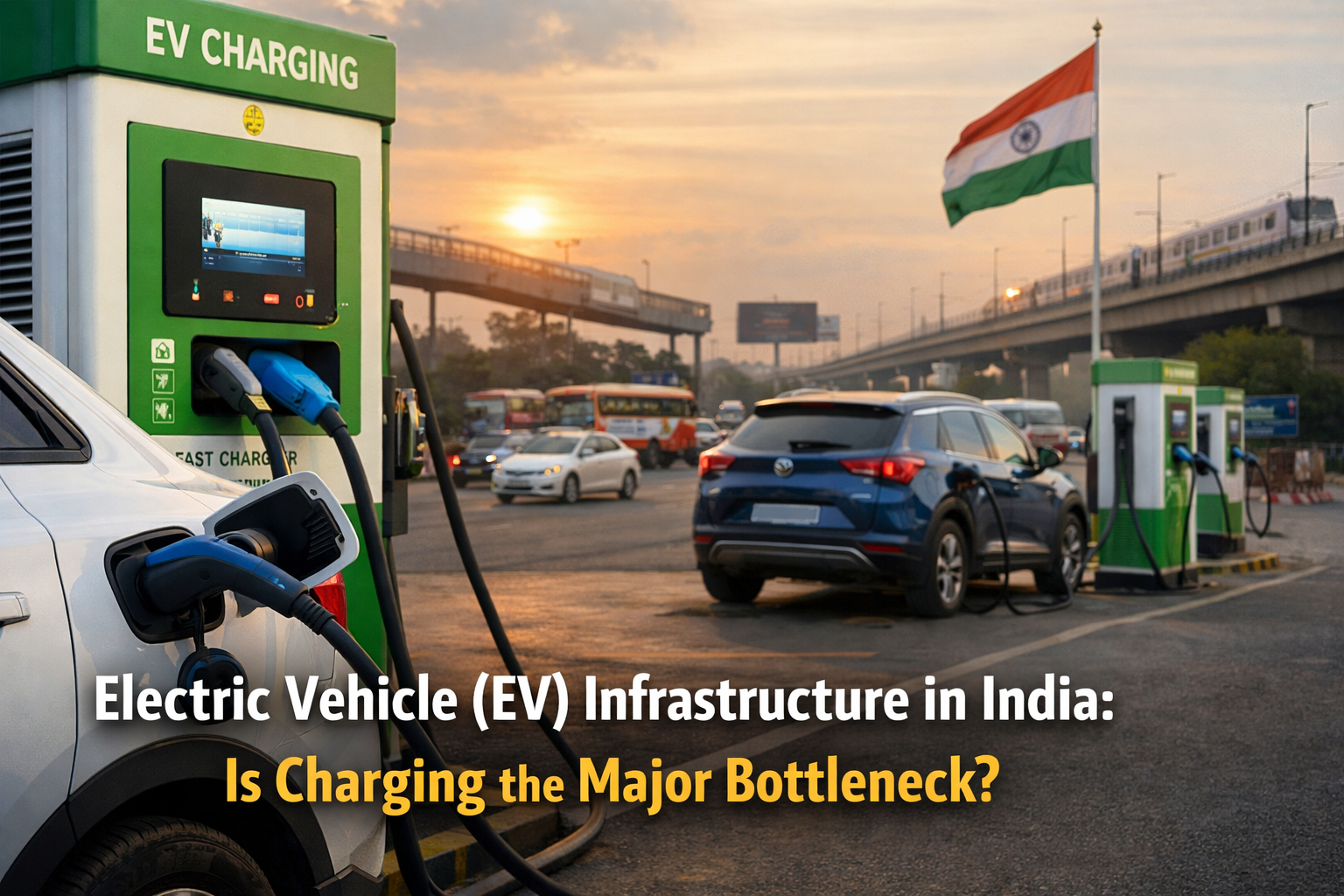
Public EV chargers jumped from 1,800 in 2022 to over 12,000 by 2024, showing quick growth in spots like Delhi, Mumbai, and Bengaluru. Leading states such as Maharashtra, Gujarat, and Karnataka host most of these, often near malls, offices, and highways. Yet the total stays low for a nation of 1.4 billion, with just one charger per 230 EVs registered last year.
Urban areas dominate, leaving highways and villages short on options. Home charging works for city folks with garages, but long trips spark “range anxiety” for others. Power grids handle daily loads but strain during peak evening hours when many plug in at once.
Government Push
The PM E-Drive Scheme plans 72,300 new stations by mid-2026, split for two wheelers, cars, buses, and trucks. This includes 1,800 spots on highways every 50 kilometers, easing road travel. States get funds to build in Tier-2 cities like Jaipur and Coimbatore, plus rural hubs.
Policies cut red tape for private setups and tie chargers to renewable energy like solar rooftops. Delhi and Uttar Pradesh lead registrations, with Uttar Pradesh alone holding 19% of India’s 5.8 million EVs. These steps aim to match global pacesetters by making charging as easy as fueling petrol cars.
Key Roadblocks
Uneven spread tops the list—77% of Karnataka’s chargers cram into Bengaluru, starving smaller towns. Many stations sit idle due to breakdowns, payment app glitches, or shaky power supply. Fast chargers, key for quick top ups, cost more to install and run, slowing their rollout.
Grid upgrades lag behind EV demand, risking blackouts in high use zones. Upfront costs scare investors, while users face high per kWh rates compared to petrol at the pump. Safety fears from poor wiring or fake setups add hesitation. Rural areas lack roads and electricity basics, making charger dreams distant.
Bright Spots Ahead
By 2026, dense networks in big cities will cut home only reliance, with apps tracking real time spots and payments. Private firms like OPG Mobility roll out solar powered stations on highways, blending tech like AI for load balancing. Battery swapping for bikes and autos skips plugs altogether, gaining traction in fleets.
Two wheelers, 80% of EVs sold, need simpler chargers, and plans target 48,400 just for them. Public-private ties bring cash and know how, turning malls and petrol pumps into EV hubs. Green power integration promises cheaper, cleaner charging long term.
User Realities
Daily commuters in metros find chargers at work or stores, but a 30-minute wait during rush hour frustrates. Highway drivers spot more fast chargers now, dropping full day trips to hours. App reviews highlight wins like Tata Power’s widespread net but gripe over downtime in monsoons.
Women and families prefer lit, guarded spots, spurring safe zones at high rises. Cost drops as subsidies kick in charging beats petrol after 50,000 km yearly. Still, intercity jaunts demand planning, unlike carefree diesel runs.
Not the Sole Hurdle
Charging grabs headlines, but high EV prices block many buyers first. Battery life in heat drops range, and service centers stay scarce outside metros. Road quality jars EV comfort, while cheap petrol lingers as temptation.
Yet charging feels biggest because it hits trust; nobody buys a car fearing a dead end mid road. Fixes like more public stations and grid smarts will unlock others. India’s 2024 EV boom hit 5.8 million units, proving demand waits for infra.
Path Forward
India eyes 30% EV sales by 2030, needing 1 million chargers. Smart grids, V2G tech letting EVs feed power back, and uniform plugs will smooth rides. Investors eye Tier-2 boom, with returns from ads and shops at stations.
Users can help by choosing home setups or apps like Plug Share for trips. States racing ahead set examples, follow Gujarat’s highway model nationwide. Progress feels real: from sparse plugs to planned webs in two years.
Charging remains a bottleneck, but not forever. With 72,300 stations incoming and tech tweaks, India’s EV roads open wider daily. Drivers will soon charge without a second thought, fueling a greener drive.