
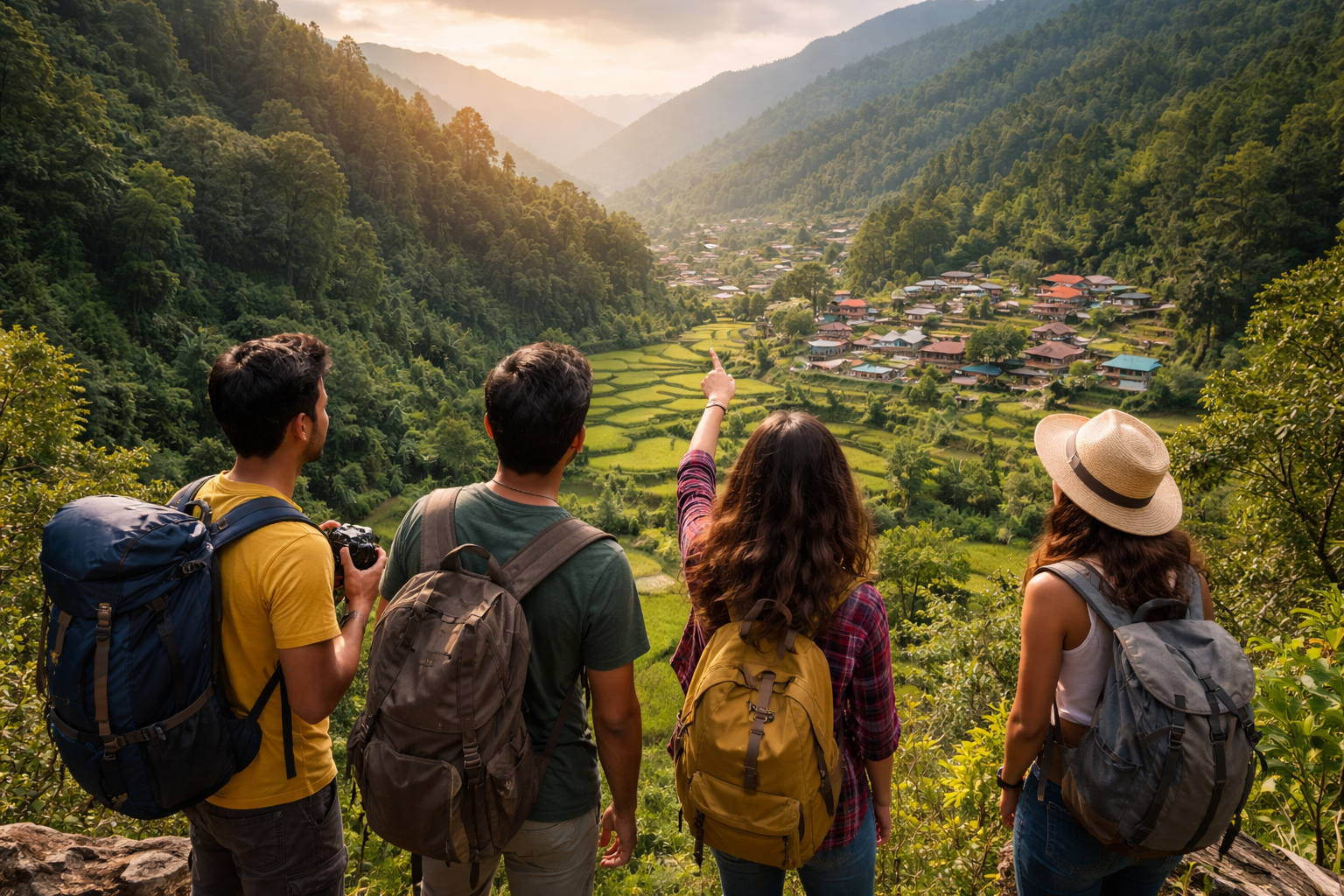
Travel in India is going through a quiet revolution, and at the center of it is Gen Z. Born into a digital first world and raised amid rapid cultural change, India’s youngest travelers are reshaping what it means to explore the country. While earlier generations gravitated toward iconic destinations like Goa, Shimla, or Jaipur, Gen Z is choosing places that rarely make it to glossy brochures. Offbeat destinations once considered risky, inconvenient, or too remote are now steadily becoming mainstream.
This shift is not accidental. It reflects changing values, new travel motivations, and a deeper desire for authenticity that is redefining the Indian tourism landscape.
Who Is Gen Z and How Do They Travel?
Gen Z, roughly those born between the late 1990s and early 2010s, travels very differently from millennials or Gen X. For them, travel is less about ticking landmarks off a checklist and more about meaningful experiences. They prioritize self discovery, cultural immersion, and personal stories over luxury hotels or packaged tours.
Most Gen Z travelers in India plan trips independently, often on a budget, relying on social media, travel blogs, and peer recommendations rather than traditional travel agents. Flexibility, spontaneity, and freedom matter more than comfort or predictability.
The Decline of Traditional Tourist Hotspots
Popular tourist destinations in India are facing fatigue, especially among younger travelers. Overcrowding, rising costs, commercialized experiences, and environmental damage have made many mainstream locations less appealing.
Gen Z travelers are highly aware of these issues. They are vocal about sustainability, overtourism, and ethical travel. Standing in long queues or navigating packed beaches does not align with their idea of exploration. As a result, they actively seek alternatives; lesser known villages, unexplored mountain regions, or culturally rich small towns that offer depth instead of spectacle.
Social Media’s Role in Popularizing Offbeat Places
Social media platforms have become the biggest travel influencers of this generation. Instagram reels, YouTube vlogs, and travel threads showcase hidden waterfalls, remote homestays, and untouched landscapes that were once known only to locals.
Unlike glossy tourism ads, these platforms offer raw, real time perspectives. A single viral video can transform a quiet village in Uttarakhand or a coastal hamlet in Maharashtra into the next trending destination. For Gen Z, discovering a place before it becomes “too popular” carries social value and personal satisfaction.
Authentic Experiences Over Luxury Comfort
Gen Z travelers are redefining luxury. Instead of five star resorts, they prefer homestays, hostels, eco lodges, and community run accommodations. Staying with locals, eating regional food, and participating in everyday life offers an experience that feels real and grounded.
Offbeat destinations naturally support this kind of travel. They allow Gen Z to connect with indigenous cultures, learn local traditions, and step away from curated tourist experiences. This authenticity is often missing in heavily commercialized destinations.
Budget Travel and Accessibility
Contrary to popular belief, traveling to offbeat destinations is not always expensive. Many lesser known places in India are budget friendly, offering affordable accommodation, local transport, and food options.
Gen Z travelers are cost conscious and resourceful. They are comfortable using public transport, booking shared stays, and planning trips around seasonal deals. Improved road connectivity, regional airports, and digital booking platforms have also made remote locations more accessible than ever before.
Sustainability and Responsible Tourism
Environmental consciousness plays a huge role in Gen Z travel decisions. This generation is more aware of climate change, waste management, and the ecological impact of tourism.
Offbeat destinations often promote slower, more sustainable travel. Smaller crowds mean less strain on natural resources, and many communities actively encourage eco friendly practices. Gen Z travelers prefer destinations where their presence supports local economies rather than contributes to environmental degradation.
The Rise of Solo and Community Travel
Solo travel has become increasingly popular among Gen Z in India. Offbeat destinations offer a sense of introspection, safety through community living, and opportunities to meet like minded travelers.
At the same time, group travel experiences like trekking communities, volunteer tourism, and cultural immersion programs are thriving. These formats align perfectly with lesser known destinations, where shared experiences often feel more meaningful than sightseeing.
How Offbeat Travel Is Becoming Mainstream
As more Gen Z travelers explore unconventional locations, these places are gradually entering the mainstream tourism circuit. Local governments and tourism boards are recognizing this shift and investing in infrastructure, digital visibility, and responsible tourism initiatives.
Small cafes, coworking friendly homestays, and adventure operators are emerging in remote areas to cater to younger travelers. What was once considered niche is now a growing segment of India’s travel economy.
Challenges of the Offbeat Travel Boom
While the rise of offbeat destinations is largely positive, it comes with challenges. Sudden popularity can strain local resources, disrupt traditional lifestyles, and cause environmental harm if not managed carefully.
Gen Z travelers themselves are increasingly aware of these risks. Many advocate for conscious travel respecting local customs, minimizing waste, and choosing ethical operators. The future of offbeat tourism depends on maintaining this balance between exploration and preservation.
Conclusion: A New Travel Mindset Is Here to Stay
Gen Z is not just changing where India travels, but how it travels. Their preference for offbeat destinations reflects a deeper cultural shift toward authenticity, sustainability, and meaningful experiences. As these travelers continue to shape trends, lesser known places will no longer remain hidden but they will carry a new definition of mainstream.
This evolution signals a promising future for Indian tourism one that values stories over selfies, communities over crowds, and experiences over excess. Offbeat travel is no longer an alternative; it is becoming the new normal.